Athlete Mental Health Is Part of the Game
· Heather Ohanaja

Mental Health Is Part of the Game
October 10, 2026 — World Mental Health Day
Understanding Athlete Mental Health
At Chiron, athlete mental health is part of the performance conversation. Our six pillars—Power, Speed, Control, Elasticity, Resilience, and Readiness—help us look at the whole athlete.
That last one — Readiness — is about more than whether your body is physically prepared to compete.
It's about whether your mind is too.
On World Mental Health Day, we want to say something that doesn't get said enough in sports medicine and performance spaces:
Mental health is not separate from athletic health. It is part of it. Athlete Mental Health matters.
The Pressure Athletes Carry
Athletes are expected to perform under pressure. To push through pain. To show up every day regardless of what's happening off the field.
That culture — while it builds toughness — can also make it incredibly hard for athletes to acknowledge when they're struggling mentally or emotionally.
We see it constantly. Athletes who are physically capable but mentally exhausted. Athletes who are dealing with anxiety about returning after injury. Young athletes navigating the pressure of college recruiting, parental expectations, and the fear of losing their identity if they can't perform.
These things are real. And they affect performance, recovery, and long-term athlete mental health just as much as a physical injury does.
What the Research Tells Us
The data on mental health and athletic performance is clear.
Stress, anxiety, and poor mental wellbeing affect sleep quality — which directly impacts recovery and tissue repair. They affect cortisol levels — which impacts inflammation, injury risk, and how the body responds to training. They affect motivation, focus, and the ability to execute under pressure.
In other words: you cannot separate the mental from the physical. They operate as one system.
An athlete who is burned out, anxious, or carrying unprocessed stress is not a fully ready athlete — regardless of what their force plate numbers say.
Readiness Is the Whole Picture
At Chiron, Readiness is one of the pillars of our Athlete Blueprint because we believe an athlete's preparation to compete has to account for more than physical metrics.
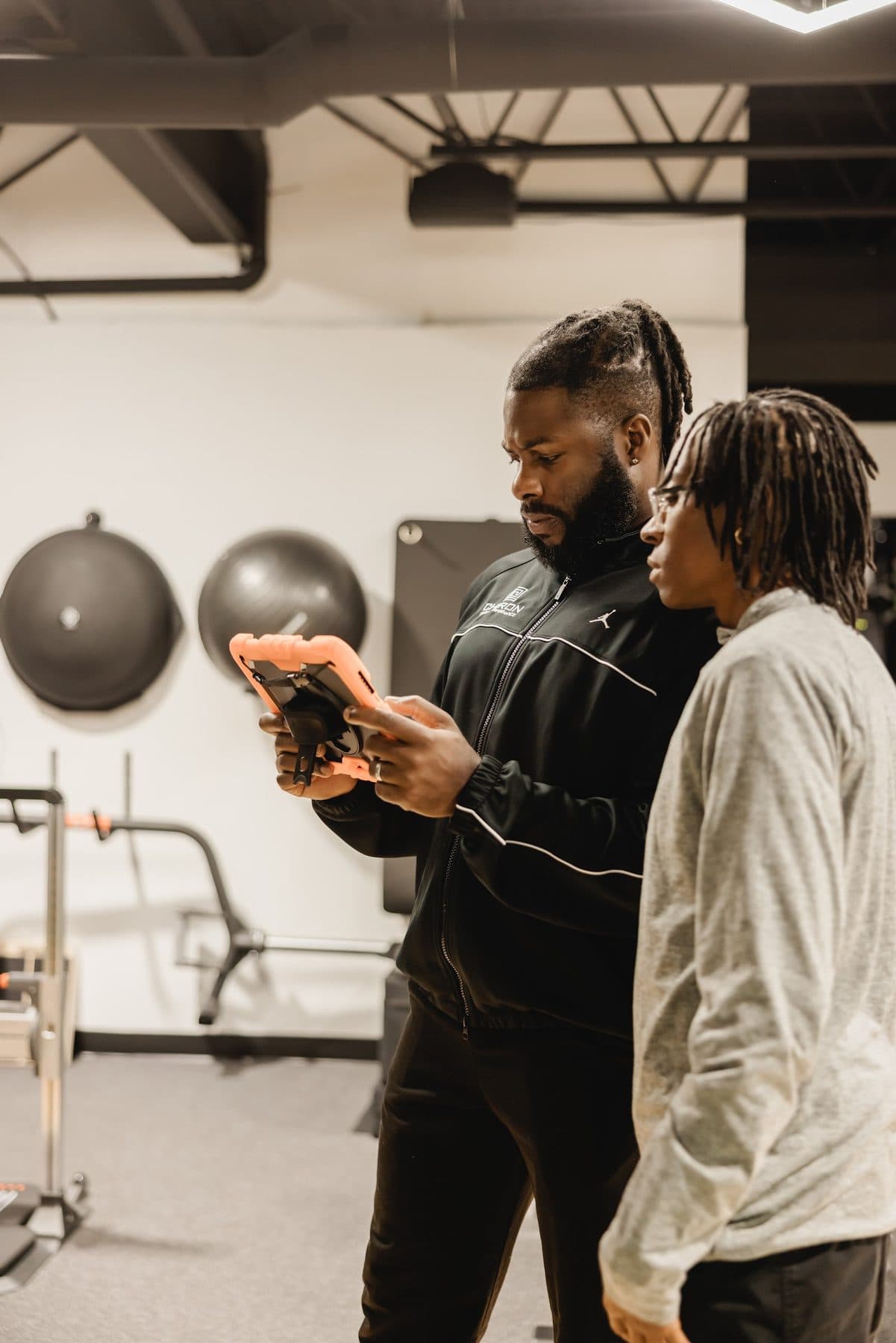
When we sit down with an athlete for their initial evaluation, we ask about sleep. We ask about stress. We ask about how they're feeling — not just physically, but overall. We ask about life outside of sport.
That context matters because athlete mental health deserves attention alongside physical preparation. Athletes are whole people, not just a set of performance metrics.
We're not mental health clinicians, and we always encourage athletes and families to work with qualified mental health professionals when needed. But we do believe it's our job to see the whole athlete — and to create an environment where they feel safe enough to be honest about all of it.
What We Want Athletes to Know
If you're struggling mentally — with anxiety about an injury, pressure to perform, burnout, or anything else — that is not weakness. That is information.
The same way a sore knee is information that tells us something needs attention, mental and emotional struggle is information that deserves the same respect and care.
Asking for help is not a setback. In many cases it's the most performance-focused decision an athlete can make.
To the Parents and Coaches Reading This
The athletes in your life are watching how you respond when they admit they're not okay.
Creating space for those conversations — without minimizing, without immediately pivoting to solutions, without making it about performance — is one of the most important things you can do for a young athlete's long-term health and development.
Check in. Listen. And know that getting them support is never a sign of failure.
Today and Every Day
At Chiron we are committed to the whole athlete. That means celebrating wins, addressing injuries, improving performance — and making sure mental health is never an afterthought in the conversation.
On World Mental Health Day, we encourage every athlete, parent, and coach to take a moment to check in on the people around them.
The game is important. But the person playing it matters more.
Prevent. Perform. Recover.
If you or someone you know is struggling with mental health, please reach out to the 988 Suicide and Crisis Lifeline by calling or texting 988.